
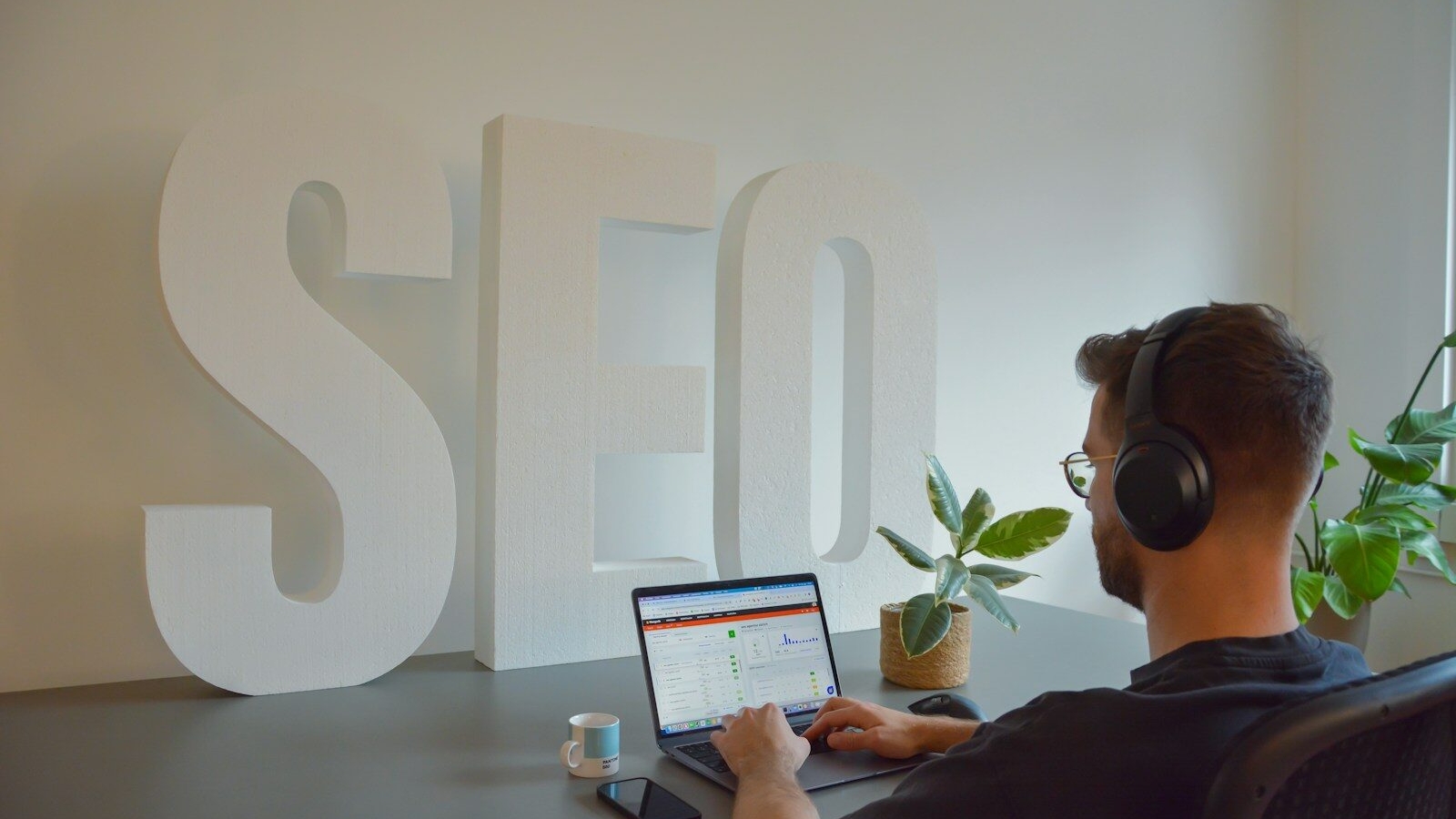
Understanding shopify SEO basics for e-commerce store owners is essential if you want your store to generate consistent organic traffic, reduce reliance on paid advertising, and improve long-term profitability. Many Shopify stores invest heavily in products, advertising, and design but overlook SEO fundamentals that directly affect visibility in Google and Bing.
SEO is not simply about rankings. For ecommerce businesses, effective SEO improves qualified traffic, product discovery, customer acquisition efficiency, and ultimately revenue. The challenge is that many Shopify stores focus on tactics that have little impact while ignoring the technical and content issues that matter most.
If you’re serious about sustainable growth, combining strong SEO with professional Shopify development services creates a much stronger foundation for long-term ecommerce success.
Who This Guide Is For
This article is designed for:
- Shopify store owners
- Ecommerce founders
- Marketing managers
- Brands relying heavily on paid traffic
- Businesses looking to improve organic revenue
- Stores planning future growth and scalability
Whether your store is new or established, these SEO fundamentals can help improve visibility and conversion opportunities.
Why Shopify SEO Matters for Business Growth
Many businesses view SEO as a marketing channel. In reality, SEO affects almost every stage of the customer acquisition journey.
Strong Shopify SEO helps:
- Increase organic traffic
- Improve product visibility
- Reduce dependency on paid advertising
- Generate higher-quality visitors
- Support long-term revenue growth
- Improve customer trust
Organic traffic often converts well because users are actively searching for solutions, products, or information relevant to their needs.
Businesses investing in SEO and search marketing services often discover opportunities that paid campaigns alone cannot capture.
The Most Important Shopify SEO Fundamentals
1. Technical SEO Foundation
Before optimizing keywords or content, ensure the technical foundation is solid.
Technical issues can prevent search engines from properly crawling, understanding, and ranking your pages.
Important areas include:
- Indexability
- Site structure
- Internal linking
- Mobile usability
- Page speed
- Structured data
- Duplicate content management
Without a strong technical foundation, content improvements often produce limited results.
2. Site Speed and User Experience
Website performance affects both search visibility and conversion performance.
Common Shopify issues include:
- Oversized images
- Excessive apps
- Heavy scripts
- Unoptimized themes
- Poor mobile experiences
Fast websites create better user experiences and support stronger SEO outcomes.
Many businesses combine SEO improvements with conversion rate optimisation services because better user experiences benefit both rankings and conversions.
3. Keyword Research
Many store owners target keywords based on assumptions rather than customer behavior.
Effective keyword research identifies:
- Product keywords
- Category keywords
- Informational searches
- Commercial investigation searches
- Transactional searches
The goal is to align content with actual customer intent rather than focusing solely on search volume.
Shopify SEO Priorities by Business Impact
| SEO Area | Business Impact | Priority |
|---|---|---|
| Technical SEO | Search visibility foundation | High |
| Category pages | Revenue-driving traffic | High |
| Product pages | Conversion opportunities | High |
| Site speed | SEO and UX improvement | High |
| Blog content | Top-funnel acquisition | Medium |
| Backlinks | Authority building | Medium |
| Advanced schema | Enhanced search visibility | Medium |
How to Optimize Shopify Category Pages
Collection pages are often among the most important SEO assets in a Shopify store.
Well-optimized collection pages can attract visitors with strong purchase intent.
Best practices include:
- Unique collection descriptions
- Keyword-focused titles
- Helpful category content
- Clear navigation structures
- Relevant internal links
A common mistake is leaving collection pages with little or no supporting content.
How to Optimize Product Pages
Product pages play a critical role in both rankings and conversions.
Strong product pages typically include:
- Unique product descriptions
- Relevant keywords
- Detailed specifications
- High-quality images
- Customer reviews
- Frequently asked questions
- Trust-building elements
Avoid copying manufacturer descriptions because duplicate content limits SEO potential.
Internal Linking Strategy
Internal links help search engines understand page relationships and site structure.
Strong internal linking can:
- Improve crawlability
- Distribute authority
- Support category rankings
- Guide users toward products
- Improve engagement
Useful internal links should appear naturally throughout your store.
Examples include:
- Category to product links
- Product to related product links
- Blog to product links
- Blog to collection links
Mobile SEO Is Now Essential
Most ecommerce traffic now occurs on mobile devices.
Businesses should evaluate:
- Mobile loading speed
- Navigation simplicity
- Checkout usability
- Touch-friendly design
- Content readability
Mobile usability affects both rankings and conversion rates.
If users struggle to browse or purchase on mobile devices, SEO gains alone will not improve business performance.
Common Shopify SEO Mistakes
Ignoring Technical Issues
Many businesses focus on content creation while technical SEO problems remain unresolved.
Publishing Thin Content
Collection pages and product pages often contain very little useful information.
This limits ranking potential.
Neglecting Internal Linking
Poor site structure makes it harder for search engines to understand page importance.
Overusing Apps
Excessive apps can slow performance and create technical complications.
Focusing Only on Traffic
Traffic alone is not the goal.
SEO should support qualified visitors, conversions, and revenue growth.
How to Diagnose Whether SEO Is the Real Problem
Before investing heavily in SEO, evaluate:
- Current organic traffic levels
- Keyword visibility
- Conversion rates
- Product page performance
- Technical SEO health
- Competitor visibility
Sometimes the primary issue is not SEO. It may be related to:
- User experience
- Pricing
- Product positioning
- Conversion optimization
- Tracking inaccuracies
A complete ecommerce audit helps identify the true bottlenecks.
What MetaLabs Reviews First
When reviewing Shopify SEO performance, MetaLabs typically starts with:
- Technical SEO audit
- Site architecture review
- Keyword opportunity analysis
- Page speed evaluation
- Category page assessment
- Product page optimization review
- Internal linking analysis
- Analytics verification
The objective is to identify the highest-impact improvements rather than chasing low-value SEO activities.
You can review examples of growth-focused projects on our results page.
When Should You Hire an SEO Expert?
Consider professional support when:
- Organic traffic has stalled
- Competitors consistently outrank your store
- Technical SEO issues are difficult to resolve
- Migration projects are planned
- Revenue growth depends on organic acquisition
- Internal resources are limited
Expert guidance often accelerates progress by prioritizing high-impact actions and avoiding common mistakes.
Frequently Asked Questions
What does Shopify SEO basics for e-commerce store owners mean?
Shopify SEO basics for e-commerce store owners refers to the foundational practices that improve search visibility, including technical SEO, keyword targeting, site speed, content optimization, and internal linking.
Why does Shopify SEO matter for growth and revenue?
SEO helps attract qualified visitors actively searching for products. Strong organic visibility can reduce customer acquisition costs and support sustainable long-term growth.
What are the most common mistakes businesses make with Shopify SEO?
Common mistakes include thin content, duplicate product descriptions, slow site performance, weak internal linking, poor keyword targeting, and ignoring technical SEO issues.
How can a business diagnose whether Shopify SEO is the real problem?
Review organic traffic trends, rankings, visibility compared to competitors, technical audit findings, and conversion data. Sometimes user experience or conversion issues create larger barriers than SEO itself.
When should a business hire an expert instead of handling Shopify SEO internally?
Businesses should consider expert support when growth stalls, technical challenges become complex, migrations are planned, or internal resources lack specialized SEO expertise.
How can MetaLabs help with Shopify SEO basics for e-commerce store owners?
MetaLabs provides technical SEO audits, Shopify development support, content strategy recommendations, site structure improvements, analytics validation, and growth-focused SEO consulting tailored to ecommerce businesses.
Request a Shopify SEO Audit
If your store relies heavily on paid advertising or organic growth has plateaued, now is the time to review your SEO foundation.
Explore our Shopify Development Services, review our client results, or contact MetaLabs to request a Shopify SEO audit and growth assessment.
Not sure why your marketing is not converting?
⬆️ Get a senior growth review ⬆️
MetaLabs can review your campaigns, tracking, landing pages and conversion journey to identify where budget is being wasted and what should be fixed first.