
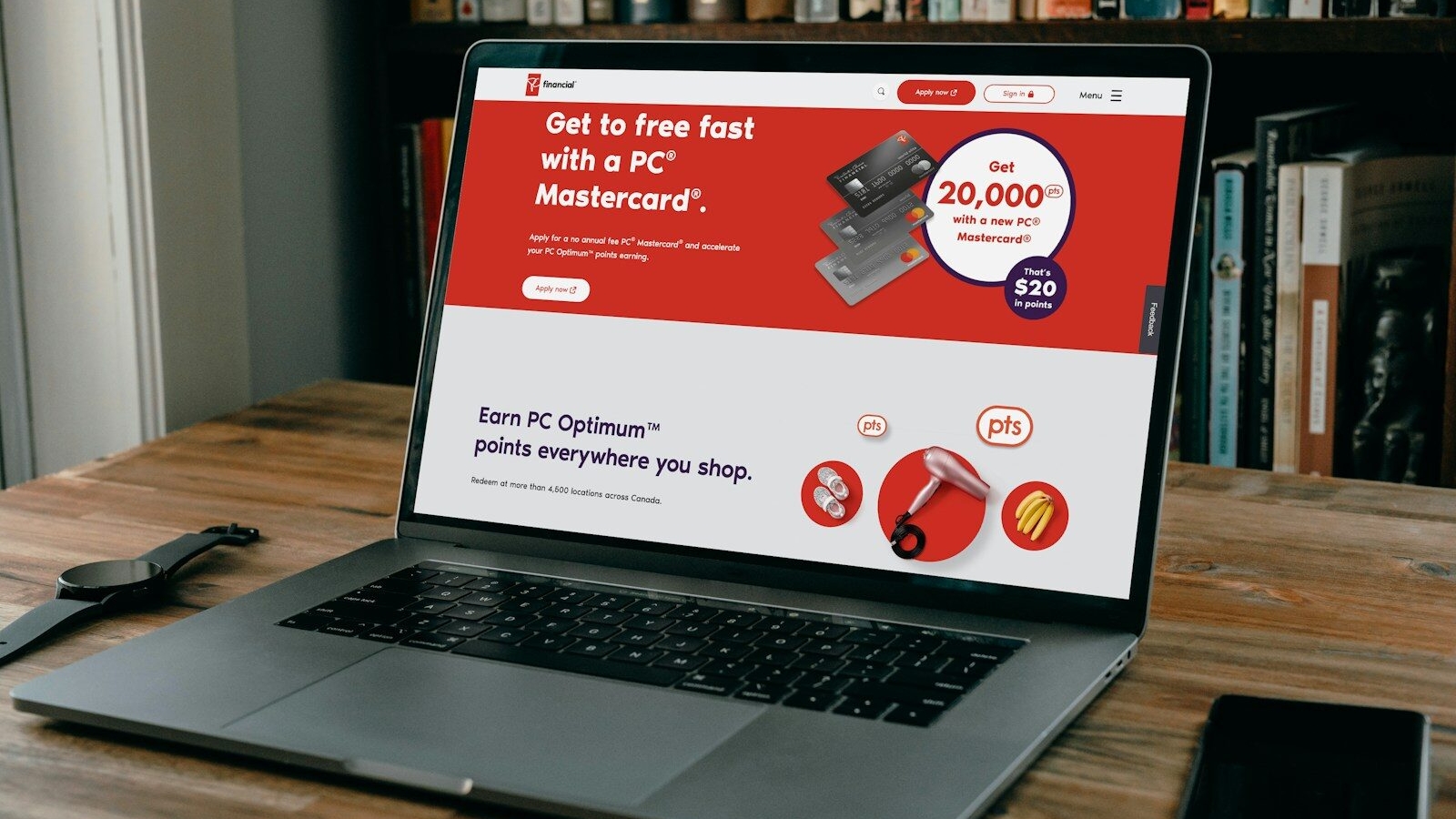
Shopify development for high-ticket products requires a different approach than a typical ecommerce store. Selling a $50 product and selling a $5,000 product involve completely different customer journeys, trust requirements, buying considerations, and conversion barriers. Businesses selling luxury goods, premium services, industrial equipment, custom products, high-end furniture, medical devices, or specialized B2B products often discover that a standard Shopify setup is not enough to support growth.
High-ticket buyers typically spend more time researching, comparing options, reviewing specifications, and validating trust before making a purchase decision. As a result, Shopify development must support education, credibility, lead generation, and conversion optimization throughout the entire buying process.
Many businesses begin by reviewing their overall Shopify development strategy to ensure their website aligns with how high-value customers actually make purchasing decisions.
Who This Article Is For
This guide is designed for:
- Luxury ecommerce brands
- High-end product retailers
- B2B ecommerce businesses
- Manufacturers selling direct-to-consumer
- Custom product businesses
- Furniture and home improvement companies
- Businesses with products above average ecommerce order values
If your store attracts traffic but struggles to convert visitors into qualified leads or customers, your website structure may be limiting growth.
Why High-Ticket Products Need Different Shopify Development
Most ecommerce themes are built around quick purchasing behavior. They assume customers already understand the product and need minimal information before checkout.
High-ticket products work differently.
Customers often need:
- Detailed product education
- Technical specifications
- Trust signals
- Case studies
- Reviews and testimonials
- Consultation options
- Financing information
- Comparison tools
Without these elements, visitors frequently delay decisions or leave the website entirely.
The Business Impact of Poor High-Ticket Store Development
Many businesses focus on driving more traffic while overlooking conversion barriers already present on their website.
Common symptoms include:
- High traffic but low sales
- Strong product interest but poor inquiry rates
- High bounce rates
- Low engagement metrics
- Poor lead quality
- Long sales cycles
- Weak return on advertising spend
In many cases, the problem is not traffic volume. The problem is that the website does not provide the information and confidence buyers need to move forward.
What High-Ticket Buyers Actually Need
High-ticket customers evaluate risk differently than low-cost shoppers.
The larger the purchase amount, the more important trust becomes.
Buyers commonly look for:
- Business credibility
- Expert knowledge
- Product quality indicators
- Customer success stories
- Guarantees and warranties
- Transparent policies
- Responsive support options
Shopify development should be structured around reducing perceived risk.
Key Components of Shopify Development for High-Ticket Products
Trust-Focused Product Pages
High-ticket product pages need significantly more information than standard ecommerce pages.
Effective product pages often include:
- Detailed specifications
- High-quality imagery
- Video demonstrations
- Frequently asked questions
- Customer reviews
- Case studies
- Warranty information
- Shipping details
The objective is to answer objections before they become barriers.
Advanced Conversion Paths
Many high-ticket buyers are not ready to purchase immediately.
Instead of relying solely on “Add to Cart” buttons, stores often benefit from:
- Request a quote forms
- Book a consultation
- Schedule a demo
- Product comparison tools
- Lead generation forms
This creates multiple opportunities to capture potential buyers throughout the decision-making process.
Mobile Experience Optimization
Even high-ticket customers frequently begin their research on mobile devices.
Strong Shopify UX should ensure:
- Fast loading pages
- Easy navigation
- Accessible product information
- Simple inquiry forms
- Mobile-friendly product galleries
High-Ticket Shopify Development Checklist
| Area | What to Review | Business Impact |
|---|---|---|
| Product Pages | Trust and educational content | Higher conversions |
| Lead Capture | Quote and consultation options | More qualified leads |
| Site Speed | Performance optimization | Better UX |
| Mobile UX | Navigation and usability | Improved engagement |
| Tracking | Analytics and attribution | Better decision-making |
| Trust Signals | Reviews and social proof | Reduced purchase risk |
| CRO | Conversion optimization | Revenue growth |
The Role of Conversion Rate Optimization
For high-ticket stores, conversion rate optimization often produces larger gains than increasing traffic.
A comprehensive conversion rate optimisation strategy focuses on removing friction from the buying journey.
Typical CRO opportunities include:
- Improving lead forms
- Strengthening trust signals
- Optimizing product content
- Enhancing mobile experiences
- Simplifying navigation
- Reducing abandonment points
Common Mistakes Businesses Make
Using Standard Ecommerce Templates
Many high-ticket brands use themes designed for low-consideration purchases.
This often creates gaps in education, trust, and lead generation.
Overlooking Lead Generation
Not every visitor is ready to buy immediately.
Stores that only focus on direct purchases frequently miss valuable opportunities to capture qualified prospects.
Weak Product Information
Insufficient specifications, images, or explanations create uncertainty.
Uncertainty often leads to lost sales.
Poor Analytics Setup
Without proper tracking, businesses struggle to identify where customers disengage.
Many stores benefit from stronger measurement systems before making major development decisions.
Ignoring Mobile Buyers
Mobile traffic often represents a significant portion of high-ticket research behavior.
Slow or difficult mobile experiences can negatively affect lead quality and revenue.
How to Diagnose Whether Development Is the Real Problem
Review the following indicators:
- Strong traffic but weak conversion rates
- High engagement but low inquiry volume
- Frequent product page exits
- Poor mobile performance
- Low lead-to-sale conversion rates
- High advertising costs with limited return
If these issues are present, development and user experience may be limiting business performance.
What MetaLabs Reviews First
When assessing a high-ticket Shopify store, MetaLabs typically reviews:
- Customer journey structure
- Product page effectiveness
- Lead capture opportunities
- Trust-building elements
- Conversion barriers
- Mobile usability
- Performance metrics
- Analytics implementation
- Revenue attribution systems
The objective is to identify the highest-impact opportunities for revenue growth.
Businesses can review examples of ecommerce improvements through our results page.
When Should You Hire an Expert?
Professional support may be valuable when:
- Products have long sales cycles
- Average order values are high
- Lead quality is inconsistent
- Website redesign decisions are complex
- Conversion performance has plateaued
- Internal resources are limited
An experienced Shopify expert can help prioritize improvements that align with business objectives rather than relying on assumptions.
Frequently Asked Questions
What does Shopify development for high-ticket products mean for a business owner?
Shopify development for high-ticket products focuses on creating a customer journey that builds trust, provides education, captures qualified leads, and supports larger purchase decisions. It typically involves stronger UX, better content, advanced lead generation, and conversion optimization.
Why does Shopify development for high-ticket products matter for growth and revenue?
High-ticket customers require more confidence before purchasing. Effective development helps reduce friction, improve lead quality, strengthen trust, and increase conversion opportunities throughout the buying process.
What are the most common mistakes businesses make?
Common mistakes include weak product pages, poor lead capture systems, inadequate trust signals, slow website performance, insufficient mobile optimization, and limited customer education.
How can a business diagnose whether development is the real problem?
Review conversion rates, user behavior, engagement metrics, lead quality, mobile performance, and customer feedback. These indicators often reveal whether website experience is limiting growth.
When should a business hire an expert instead of handling development internally?
Businesses should consider expert assistance when sales cycles are complex, product values are high, internal resources are limited, or website performance is directly affecting revenue generation.
How can MetaLabs help with Shopify development for high-ticket products?
MetaLabs evaluates customer journeys, conversion barriers, UX, tracking, trust signals, and lead generation opportunities to create development strategies designed to improve revenue efficiency and business growth.
Request a High-Ticket Store Review
If your business sells premium products, luxury goods, or complex solutions, your website should support the way high-value customers make decisions.
Explore our Shopify Development Services, review our case studies and results, or contact MetaLabs to request a high-ticket Shopify store review.
Not sure why your marketing is not converting?
⬆️ Get a senior growth review ⬆️
MetaLabs can review your campaigns, tracking, landing pages and conversion journey to identify where budget is being wasted and what should be fixed first.