
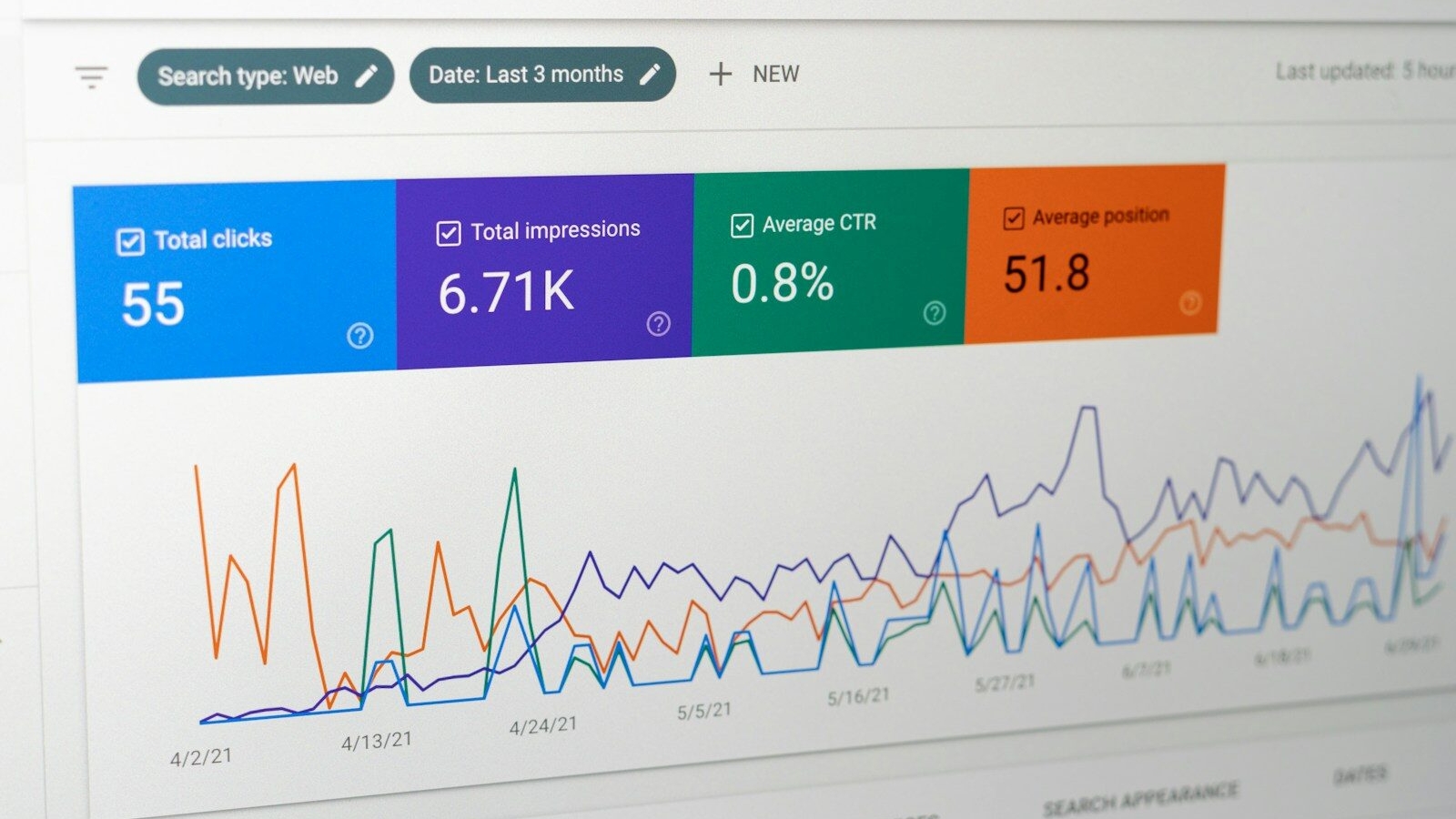
Many businesses invest significant time creating blog content but rarely revisit older articles once they are published. If you want to update old blog posts for better rankings, you’re often working with one of the highest-return SEO activities available. Instead of producing hundreds of new articles, refreshing existing content can improve organic visibility, strengthen topical authority, attract more qualified visitors, and increase conversions while making better use of your existing content assets.
Google and Bing continue to refine how they evaluate helpful, accurate and relevant content. An article that ranked well two years ago may now lose visibility because search intent has evolved, competitors have improved their pages, or your information is no longer current. Updating existing content helps search engines understand that your website remains accurate, trustworthy and valuable.
If your business relies on organic traffic to generate enquiries or sales, a structured content refresh strategy should be part of your overall SEO programme. At MetaLabs, refreshing existing content is often one of the first opportunities we identify during an SEO strategy and technical audit, particularly for businesses with growing content libraries.
Who Should Refresh Existing Blog Content?
This guide is designed for:
- Business owners investing in long-term organic growth.
- Marketing managers responsible for SEO performance.
- B2B companies with established blog libraries.
- Ecommerce businesses seeking additional non-paid traffic.
- Marketing teams building stronger topical authority.
- Companies wanting better ROI from existing content.
If your website already contains dozens—or even hundreds—of blog articles, content refreshes often generate faster results than publishing entirely new content every week.
Why Old Blog Posts Lose Rankings
Ranking declines rarely happen because Google suddenly dislikes your content. More commonly, competing websites improve their pages while yours remains unchanged.
Some of the most common causes include:
- Outdated statistics or examples.
- Changes in search intent.
- Broken internal links.
- Missing schema opportunities.
- Weak topical coverage.
- Poor user experience.
- Declining page authority.
- Technical SEO issues.
Refreshing content addresses many of these issues simultaneously without requiring an entirely new article.
Business Impact of Content Refreshes
Refreshing existing content is more than an SEO exercise. It directly supports business growth by improving the quality of visitors arriving on your website.
| Without Content Refreshes | With Regular Content Updates |
|---|---|
| Traffic gradually declines | Existing rankings remain competitive |
| Lower click-through rates | Improved search visibility |
| Outdated customer information | Current and trustworthy information |
| Weak internal linking | Stronger content clusters |
| Reduced lead quality | Better-qualified visitors |
| Content becomes obsolete | Long-term SEO asset growth |
Rather than treating blog posts as one-time marketing campaigns, successful businesses manage them as long-term assets that appreciate through continuous improvement.
A Practical Framework to Update Old Blog Posts for Better Rankings
1. Identify Pages That Have Lost Traffic
Start by reviewing your organic performance using Google Search Console and Google Analytics. Look for pages that previously generated impressions and clicks but have declined over the last six to twelve months.
These pages already have search history, backlinks and topical relevance, making them excellent candidates for optimisation.
2. Review Current Search Intent
Search behaviour changes constantly. Before editing your article, search your target keyword and analyse the pages currently ranking on page one.
Ask questions such as:
- Are users seeking educational information?
- Do they want comparisons?
- Are they looking for service providers?
- Have featured snippets changed?
- Do competitors now include videos, tables or FAQs?
Your refreshed article should align with today’s search intent rather than the intent that existed when the article was originally published.
3. Improve Content Depth
Many older articles answer only part of the user’s question. Expand your coverage by including practical examples, business scenarios, implementation advice and frequently asked questions.
Instead of adding unnecessary words, focus on making the article genuinely more useful.
At MetaLabs, content expansion often includes strengthening topical relationships through better internal linking to relevant resources such as case studies, related service pages and supporting educational articles.
4. Strengthen Internal Linking
Internal linking remains one of the most overlooked opportunities when businesses update existing content. Every refreshed article should connect naturally to related service pages, supporting articles and evidence that helps both users and search engines understand your website structure.
For example, an article discussing content optimisation should naturally reference your SEO, SEM and PPC services, encourage readers to contact MetaLabs for strategic guidance, and demonstrate real outcomes through your client results.
Good internal linking strengthens topical authority, distributes page authority throughout your website and encourages visitors to continue exploring relevant resources.
5. Update Facts, Examples and Statistics
One of the quickest ways for content to lose credibility is outdated information. Search engines increasingly reward content that demonstrates experience, expertise and accuracy.
Review every article for:
- Outdated screenshots.
- Old product names.
- Retired Google features.
- Broken external references.
- Changed best practices.
- Irrelevant business examples.
Replacing outdated information with current guidance signals that your content continues to provide value.
6. Improve User Experience
Refreshing content isn’t only about adding text. User experience directly influences engagement metrics that often correlate with stronger organic performance.
Consider:
- Breaking long paragraphs into shorter sections.
- Adding descriptive headings.
- Including comparison tables.
- Improving page readability.
- Using concise bullet lists.
- Adding practical examples.
A well-structured article is easier for readers to consume and easier for search engines to understand.
7. Refresh Metadata
Many businesses update the body copy but leave the original title tag and meta description unchanged. This limits improvements in click-through rate even if rankings improve.
Review:
- Page title.
- Meta description.
- Primary keyword placement.
- Search intent alignment.
- CTR optimisation.
Even small improvements to metadata can increase qualified traffic without changing rankings.
Content Refresh Checklist
| SEO Task | Priority | Business Impact |
|---|---|---|
| Update outdated information | High | Improves trust and relevance |
| Review search intent | High | Supports higher rankings |
| Add internal links | High | Builds topical authority |
| Refresh metadata | Medium | Improves click-through rate |
| Expand content depth | High | Answers more user questions |
| Fix technical SEO issues | Medium | Supports crawling and indexing |
| Update images and screenshots | Medium | Improves user experience |
Common Mistakes Businesses Make
Many companies attempt to refresh content but unintentionally reduce its effectiveness. Some of the most common mistakes include:
- Changing publication dates without meaningful updates.
- Adding unnecessary keywords.
- Removing valuable historical context.
- Ignoring search intent.
- Failing to improve internal linking.
- Publishing duplicate articles instead of improving existing ones.
- Updating only the introduction while leaving outdated sections untouched.
A successful content refresh improves the overall usefulness of the page rather than simply increasing its word count.
What MetaLabs Reviews First
When MetaLabs performs a content refresh audit, we focus on identifying opportunities that deliver measurable business outcomes rather than isolated SEO metrics.
Our review typically includes:
- Organic traffic trends.
- Keyword visibility.
- Search intent alignment.
- Content quality and completeness.
- Internal linking opportunities.
- Technical SEO health.
- Conversion opportunities.
- Calls-to-action.
- User engagement signals.
Rather than rewriting every article, we prioritise updates that are most likely to improve rankings, lead quality and long-term organic growth.
When Should You Hire an SEO Expert?
If your business has dozens or hundreds of existing articles, deciding where to invest time becomes increasingly difficult. Refreshing every page is rarely the right approach.
An experienced SEO consultant can help prioritise pages with the greatest commercial opportunity, identify technical barriers preventing growth and build a structured content roadmap that aligns with your wider business objectives.
This ensures your investment focuses on the content most likely to generate measurable returns.
Frequently Asked Questions
What does update old blog posts for better rankings mean for a business owner?
It means improving existing articles so they remain relevant, useful and competitive in search results. Updating older content often produces faster SEO gains than creating entirely new articles because the page may already have authority, backlinks and ranking history.
Why does updating old blog posts matter for growth, revenue and lead quality?
Higher-quality content attracts more relevant visitors, increases search visibility and helps businesses convert organic traffic into enquiries. A structured content refresh strategy also improves the long-term return on previous content investments.
What are the most common mistakes businesses make?
Common mistakes include keyword stuffing, ignoring search intent, failing to update outdated information, neglecting internal links and rewriting articles without improving their overall usefulness.
How can a business diagnose whether content freshness is the real problem?
Compare historical traffic, keyword rankings and competitor content. If rankings have steadily declined despite strong technical SEO, outdated or incomplete content may be limiting performance.
When should a business hire an SEO expert instead of managing content updates internally?
Businesses should consider external expertise when managing large content libraries, declining organic traffic, complex technical SEO issues or limited internal marketing resources.
How can MetaLabs help?
MetaLabs combines technical SEO, content strategy, internal linking and conversion optimisation to identify the pages with the greatest opportunity for improvement. Instead of updating every article, we focus on changes that support measurable business growth.
Refresh Your Existing Content with MetaLabs
Publishing new articles is only one part of a successful SEO strategy. In many cases, updating high-potential content delivers faster improvements in rankings, stronger topical authority and better lead generation than starting from scratch.
If your website contains older content that no longer performs as expected, MetaLabs can identify where strategic updates will create the greatest impact. Through a structured content refresh process that combines SEO, technical optimisation and conversion strategy, we help businesses maximise the value of every content asset.
Ready to improve your organic performance? Explore our SEO, SEM and PPC services, review our client results, or contact MetaLabs to discuss a professional content refresh strategy tailored to your business goals.
Not sure why your marketing is not converting?
⬆️ Get a senior growth review ⬆️
MetaLabs can review your campaigns, tracking, landing pages and conversion journey to identify where budget is being wasted and what should be fixed first.