
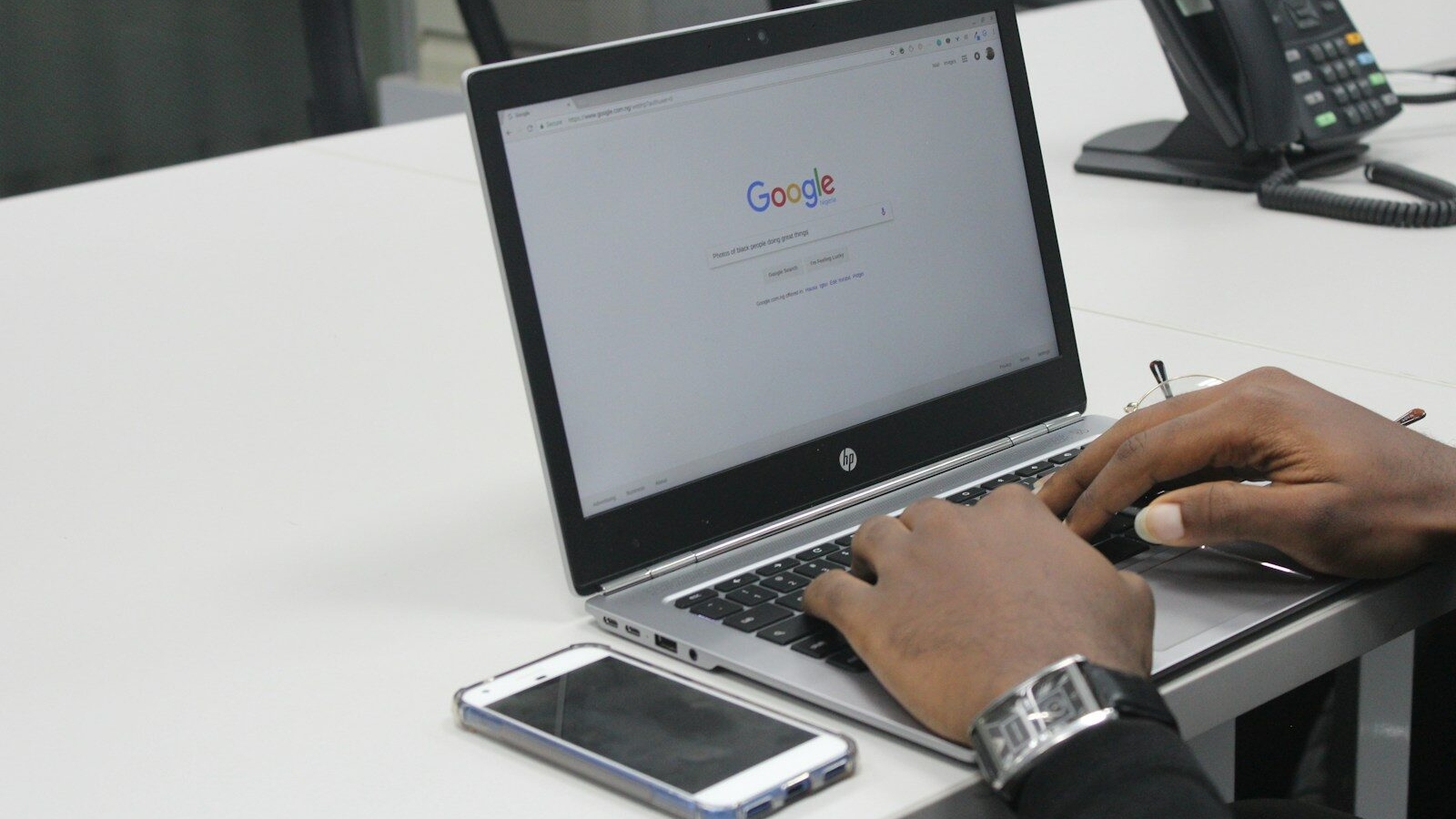
Launching Google Ads is often one of the first marketing investments a startup makes. It promises immediate visibility, measurable traffic and fast customer acquisition. However, Google Ads for startups: common mistakes is a topic every founder should understand before investing significant budget. Most failed Google Ads campaigns are not caused by Google’s platform—they result from strategic mistakes made before the first advertisement is published.
Many startups launch campaigns before validating customer demand, implementing conversion tracking or creating landing pages capable of converting visitors into enquiries. The result is expensive data with very little business value.
This guide explains the most common Google Ads mistakes startups make, why they happen and how to build campaigns that support long-term business growth rather than simply generating clicks.
If you’re preparing your first paid acquisition campaign, MetaLabs provides Startup Marketing Consulting to help founders develop a customer acquisition strategy before significant advertising budgets are committed.
Who this guide is for
This article is designed for:
- Startup founders launching their first Google Ads campaigns.
- Businesses with limited advertising budgets.
- B2B startups seeking qualified leads.
- SaaS businesses validating customer demand.
- Companies experiencing disappointing PPC performance.
- Founders planning to scale paid acquisition.
Mistake 1: Running Google Ads before validating demand
One of the most expensive startup mistakes is using Google Ads to discover whether customers want a product.
Google Ads can validate messaging and pricing, but it should not replace customer research or market validation.
Before launching campaigns, founders should understand:
- Who their ideal customers are.
- What problems customers are trying to solve.
- How customers currently search for solutions.
- Whether prospects are willing to purchase.
If these questions remain unanswered, advertising usually accelerates spending rather than learning.
Businesses still validating demand should first read our guide on How to Validate Demand Before Scaling Marketing, which explains why customer validation should come before aggressive acquisition campaigns. :contentReference[oaicite:0]{index=0}
Mistake 2: Ignoring conversion tracking
Clicks alone do not measure business success.
Without reliable conversion tracking, founders cannot identify which campaigns generate enquiries, customers or revenue.
Before spending meaningful advertising budget, every startup should implement:
- Google Analytics 4.
- Google Ads conversion tracking.
- Lead form tracking.
- Phone call tracking where appropriate.
- CRM integration.
- UTM campaign tracking.
Without accurate measurement, optimisation becomes little more than guesswork.
Our article on tracking leads from Google Ads properly explains how accurate attribution improves campaign performance. :contentReference[oaicite:1]{index=1}
Mistake 3: Sending traffic to poor landing pages
Many startups focus entirely on advertisements while overlooking the destination users actually visit.
Even highly targeted campaigns struggle when landing pages:
- Load slowly.
- Contain unclear messaging.
- Lack trust signals.
- Offer weak calls to action.
- Provide poor mobile experiences.
Advertising can only amplify the quality of the website experience.
Before increasing ad spend, review your landing page performance. Our guide on Google Ads Landing Page Checklist for Higher Conversion Rates explains what should be optimised first. :contentReference[oaicite:2]{index=2}
Mistake 4: Targeting keywords that are too broad
Broad keywords often appear attractive because they generate significant search volume.
However, early-stage startups generally benefit more from targeting specific, high-intent searches where competition is lower and purchasing intent is stronger.
For example, instead of broad informational searches, prioritise keywords that indicate:
- Commercial intent.
- Service comparison.
- Purchase readiness.
- Problem-solving behaviour.
High-intent traffic typically generates better lead quality while reducing wasted advertising spend.
Mistake 5: Scaling campaigns too quickly
One successful week of campaign performance rarely justifies doubling advertising budgets.
Scaling should occur only after campaigns consistently produce qualified leads and predictable customer acquisition costs.
Before increasing budgets, confirm:
- Conversion tracking is accurate.
- Landing pages convert consistently.
- Search terms remain relevant.
- Sales teams can manage additional enquiries.
- Customer acquisition costs remain commercially sustainable.
Rapid scaling without operational readiness often causes performance to decline.
Businesses planning budget increases should also read Why Google Ads Needs CRO Before Scaling Budget, which explains why conversion optimisation should come before larger advertising investments. :contentReference[oaicite:3]{index=3}
Mistake 6: Measuring clicks instead of business outcomes
Many founders celebrate increasing impressions, click-through rates and traffic volumes.
While these metrics provide useful diagnostic information, they do not determine business success.
Instead, startups should monitor:
- Qualified leads.
- Cost per acquisition.
- Lead-to-sale conversion rates.
- Revenue generated.
- Return on advertising investment.
- Customer lifetime value.
These metrics provide a much clearer understanding of whether Google Ads contributes to sustainable business growth.
Mistake 7: Using automated bidding too early
Google’s automated bidding strategies have become increasingly sophisticated, but they still rely on sufficient conversion data to make intelligent decisions. Many startups activate Target CPA or Target ROAS campaigns before collecting enough conversion history, resulting in unstable performance and inefficient budget allocation.
During the early stages, consider using bidding strategies that prioritise data collection before allowing automation to optimise at scale.
As conversion volume increases, automated bidding can become a powerful optimisation tool—but only when supported by accurate tracking and meaningful historical data.
Mistake 8: Ignoring search term reports
Many startup founders assume Google’s keyword targeting is precise enough to identify only relevant prospects. In reality, search term reports often reveal unrelated searches consuming advertising budget.
Regularly reviewing search terms allows businesses to:
- Add negative keywords.
- Identify new high-performing search opportunities.
- Improve campaign relevance.
- Reduce wasted spend.
- Increase lead quality.
This ongoing optimisation becomes increasingly important as campaigns grow and keyword coverage expands.
Mistake 9: Treating Google Ads as a standalone marketing channel
Successful startups rarely rely on paid search alone.
Google Ads performs best when supported by:
- Clear brand positioning.
- A conversion-focused website.
- SEO that captures long-term organic demand.
- Email marketing and lead nurturing.
- Marketing analytics.
- Sales follow-up processes.
Paid advertising should accelerate an already well-designed customer acquisition system rather than compensate for weaknesses elsewhere in the business.
Our Startup Marketing Consulting service helps founders connect advertising, positioning, analytics and customer acquisition into one scalable growth strategy.
What MetaLabs evaluates before recommending Google Ads
Rather than recommending advertising immediately, MetaLabs first evaluates whether paid search is likely to generate profitable growth.
Our strategic assessment includes:
- Market demand validation.
- Competitive landscape.
- Keyword opportunity analysis.
- Landing page readiness.
- Conversion tracking implementation.
- Analytics accuracy.
- Customer acquisition economics.
- Sales process capacity.
- Budget allocation.
Only after these fundamentals are established do we recommend scaling advertising investment.
Google Ads readiness checklist for startups
| Area | Ready to Scale? |
|---|---|
| Validated customer demand | Yes |
| Clearly defined target audience | Yes |
| Google Analytics 4 configured | Yes |
| Google Ads conversion tracking implemented | Yes |
| High-converting landing pages | Yes |
| Sales process established | Yes |
| Commercial keyword strategy | Yes |
| Monthly optimisation process | Yes |
If several items remain incomplete, investing additional advertising budget may simply increase inefficient spending rather than improve growth.
When should startups hire a Google Ads expert?
Founders often manage early campaigns themselves, but specialist expertise becomes valuable when advertising budgets increase or campaign complexity grows.
Consider working with an experienced consultant when:
- Lead quality remains poor.
- Cost per acquisition continues rising.
- Campaigns produce clicks without enquiries.
- Conversion tracking cannot be trusted.
- Multiple products or services require separate strategies.
- Internal marketing resources are limited.
Experienced Google Ads management focuses on improving commercial outcomes rather than simply increasing impressions or clicks.
Frequently asked questions
What are the biggest Google Ads mistakes startups make?
The most common mistakes include launching campaigns before validating customer demand, ignoring conversion tracking, targeting broad keywords, using poor landing pages and scaling budgets before campaigns consistently generate profitable leads.
Should startups run Google Ads immediately after launching?
Not always. Google Ads is most effective after a startup has validated its product, identified its ideal customer, implemented analytics and established a clear value proposition. Running ads too early often accelerates spending without generating meaningful business insights.
How much should a startup spend on Google Ads?
The appropriate budget depends on industry competition, customer lifetime value, conversion rates and growth objectives. Rather than choosing an arbitrary monthly budget, founders should determine how much they can invest while maintaining sustainable customer acquisition costs.
Can Google Ads work without SEO?
Yes, but combining paid search with SEO generally creates stronger long-term results. Google Ads provides immediate visibility, while SEO builds sustainable organic traffic that reduces reliance on paid acquisition over time.
How can founders tell if Google Ads is performing well?
Success should be measured using qualified leads, customer acquisition cost, conversion rate, revenue and return on investment—not simply impressions or clicks.
How can MetaLabs help startups improve Google Ads performance?
MetaLabs helps founders evaluate market readiness, build campaign strategy, implement accurate conversion tracking, improve landing page performance, optimise keyword targeting and develop scalable acquisition systems that support sustainable business growth.
Build Google Ads on strong marketing foundations
Google Ads can become one of the fastest ways for startups to acquire customers—but only when supported by strategy, accurate measurement and ongoing optimisation. Founders who avoid the common mistakes outlined above are far more likely to generate profitable growth while protecting limited marketing budgets.
If you’re preparing to launch your first campaigns or improve existing performance, MetaLabs can help you build a Google Ads strategy aligned with your startup’s growth objectives. Explore our Startup Marketing Consulting, learn from our Results, or contact us to discuss a practical, data-driven customer acquisition strategy.
Not sure why your marketing is not converting?
⬆️ Get a senior growth review ⬆️
MetaLabs can review your campaigns, tracking, landing pages and conversion journey to identify where budget is being wasted and what should be fixed first.